
Destinations
- Trincomalee
Trincomalee is a natural deep-water harbour on Sri Lanka’s east coast, flanked by beaches, dramatic clifftop temples, and some of the island’s finest diving and snorkelling sites. Fort Frederick and the Koneswaram Temple, perched above the ocean, give the city a heritage character that complements its outstanding natural setting. During the east coast season from May to September, Trincomalee is one of Sri Lanka’s most rewarding coastal destinations.
- Hikkaduwa
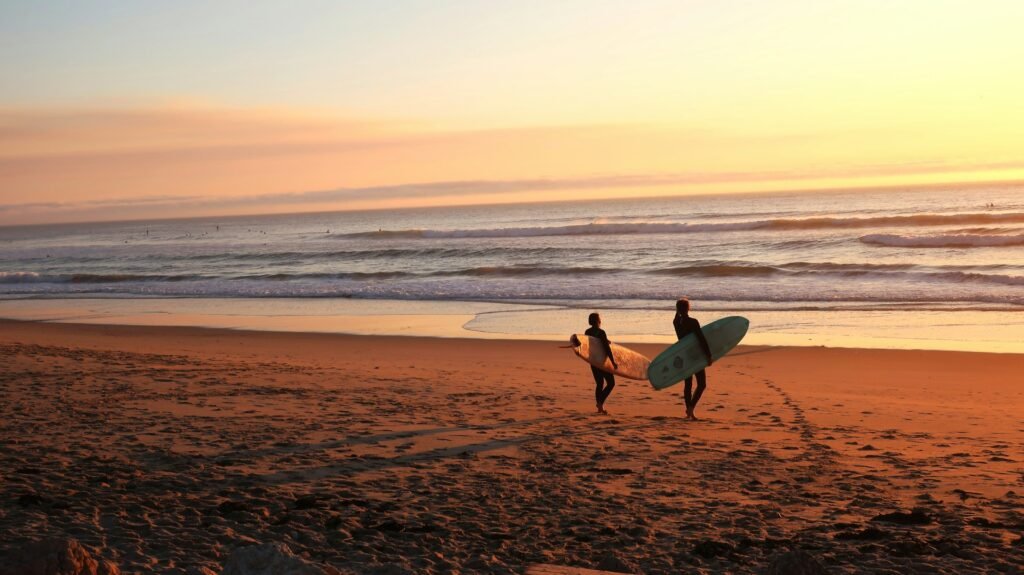
Hikkaduwa is one of Sri Lanka’s most famous beach towns, combining a surf culture, a vibrant coral reef ecosystem, and a colourful collection of beach cafes and seafood restaurants along a long stretch of the south coast. Its shallow coral gardens are accessible by snorkelling and glass-bottom boat, while the main beach break draws surfers throughout the year. Hikkaduwa’s relaxed atmosphere has made it a favourite among independent and backpacker travellers.
- Nilaveli
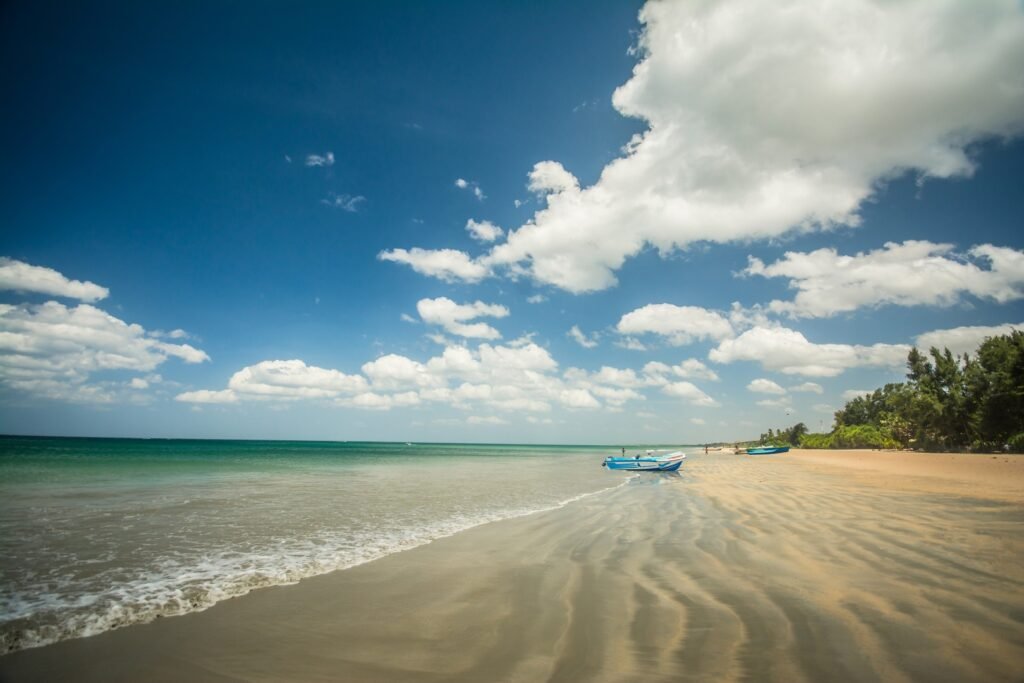
Nilaveli is one of Sri Lanka’s most unspoiled stretches of coastline, a long, wide beach of white sand and clear blue water located just north of Trincomalee on the east coast. Calm, gentle, and undeveloped, it is an ideal destination for swimming and snorkelling, and serves as the launch point for excursions to nearby Pigeon Island Marine National Park. The east coast’s dry season from May to September makes Nilaveli one of the finest summer beach destinations.
- Tangalle
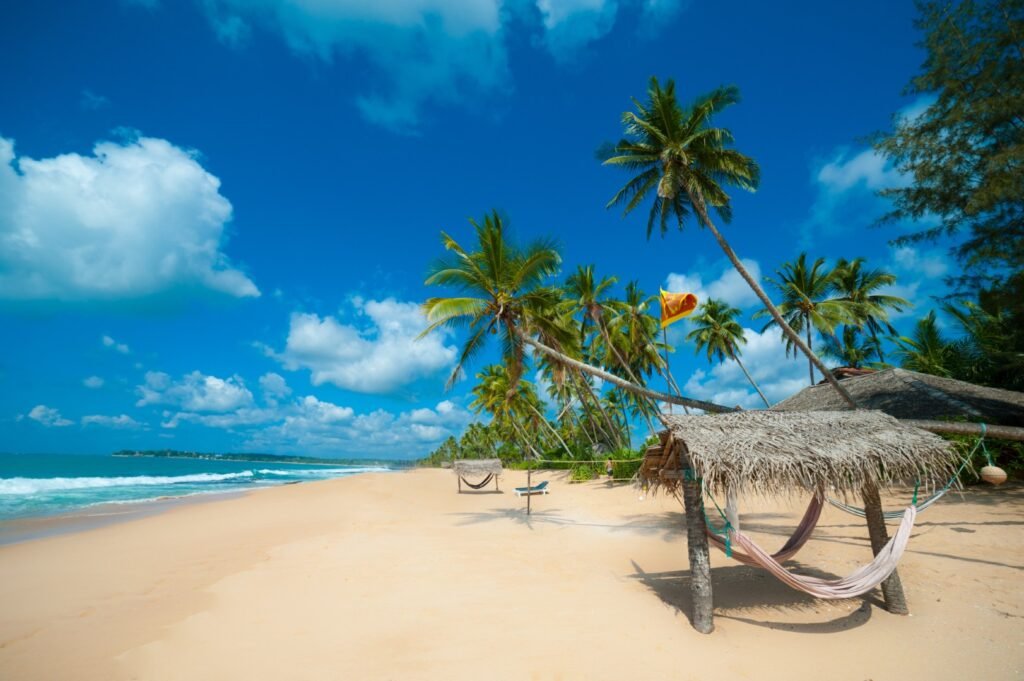
Tangalle is the southern coast’s most unspoiled beach destination, a sequence of pristine bays, rocky headlands, and quiet fishing coves that feel a world apart from the more popular resort towns to the west, with secluded beaches drawing barefoot visitors. Its rugged natural beauty, excellent turtle nesting sites, and proximity to Bundala National Park make it a favourite among travellers seeking solitude and genuine coastal immersion.
- Kalpitiya
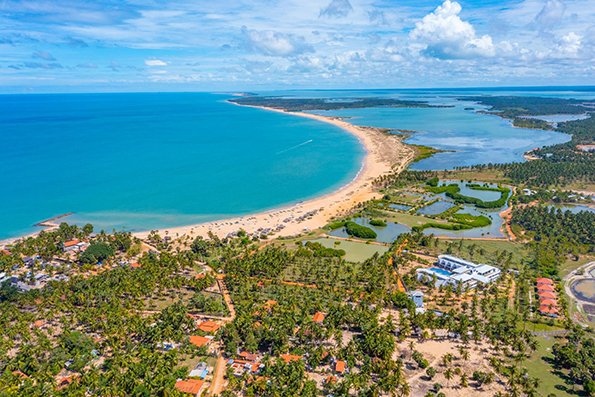
Kalpitiya is an eco-tourism destination on Sri Lanka’s northwest coast, where a narrow peninsula separates the lagoon from the open sea, creating conditions for kite surfing, dolphin watching and marine exploration. The lagoon is home to one of Asia’s finest kite surfing schools, while the surrounding waters host large pods of spinner dolphins year-round. Its remote character makes it a fascinating destination for nature lovers and adventurous travellers.
- Mirissa
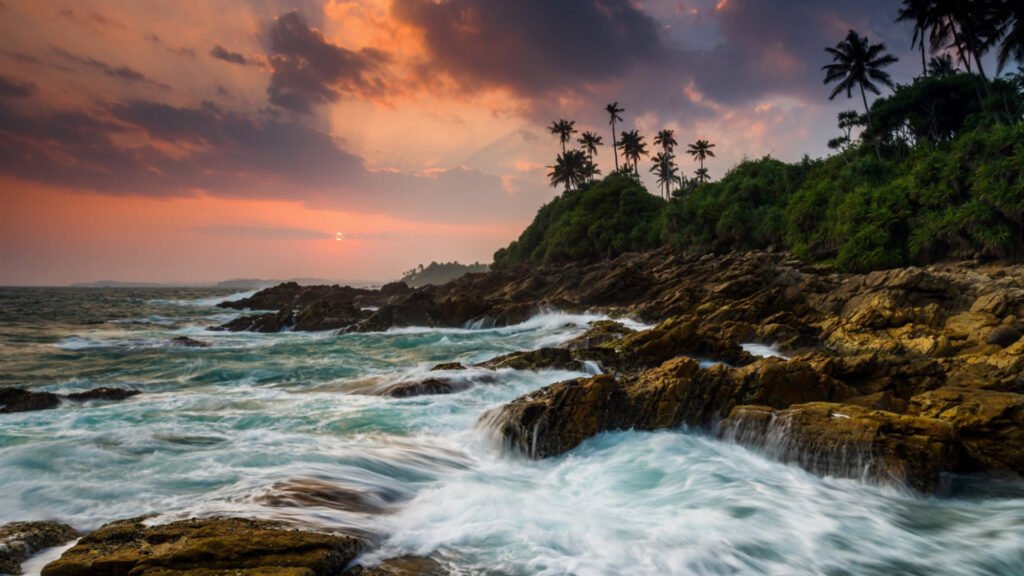
Mirissa is a crescent-shaped beach of golden sand sheltered by coconut palms and a rocky headland, offering a perfect balance of natural beauty, oceanfront dining, and adventure. The bay is the island’s best departure point for whale watching expeditions between November and April, with blue whales and sperm whales sighted offshore. Coconut Tree Hill, perched above the bay at sunset, is one of Sri Lanka’s most photographed viewpoints.
- Pasikuda
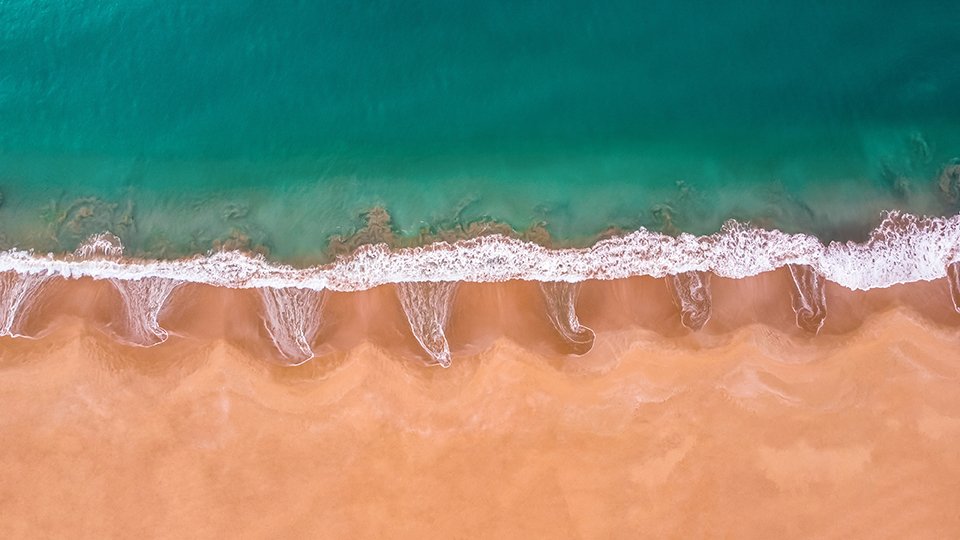
Pasikuda is famous for its shallow, calm and crystal-clear waters that stretch far out to sea, ideal for swimming, snorkelling and wading. Framed by a sweeping bay of fine white sand and dotted with high-end beach resorts, it has emerged as one of the island’s premium coastal destinations in recent years. The east coast dry season from May to September makes Pasikuda an excellent choice when the south and west coasts are in their wet season.
- Negombo
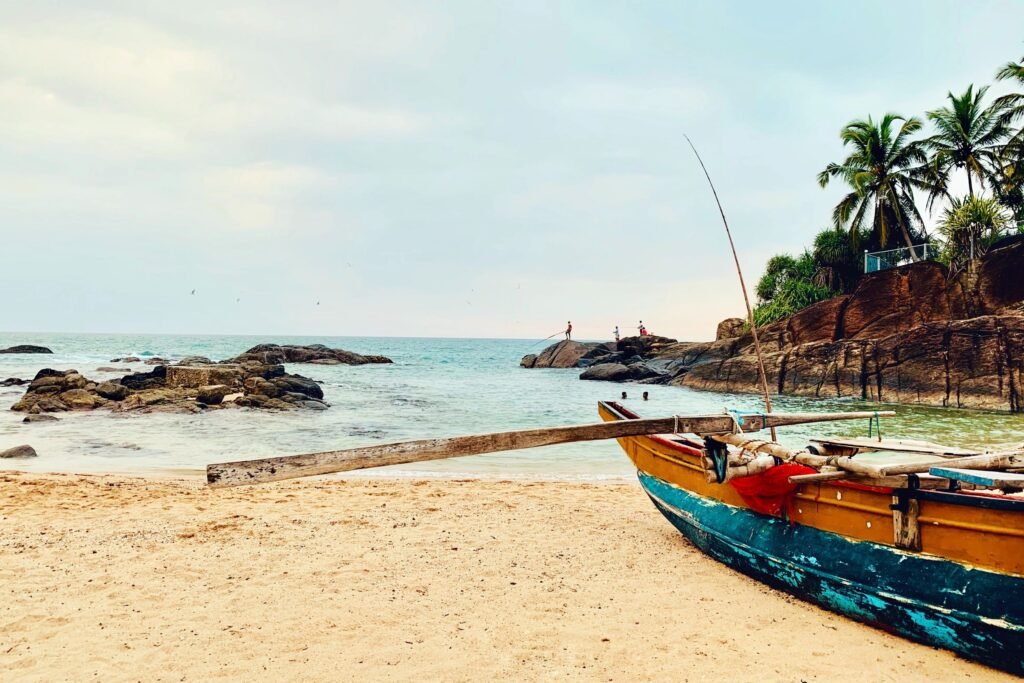
Negombo sits just north of Colombo airport, making it an ideal first or last stop on a Sri Lankan journey, and one that rewards a longer stay than most travellers initially expect. Its colonial-Dutch canal network, Catholic fishing villages, and fresh-seafood culture offer a distinct coastal character from the island’s southern shores. The lagoon at sunset, filled with traditional fishing boats, is one of Sri Lanka’s most beautiful sights.
- Arugam Bay
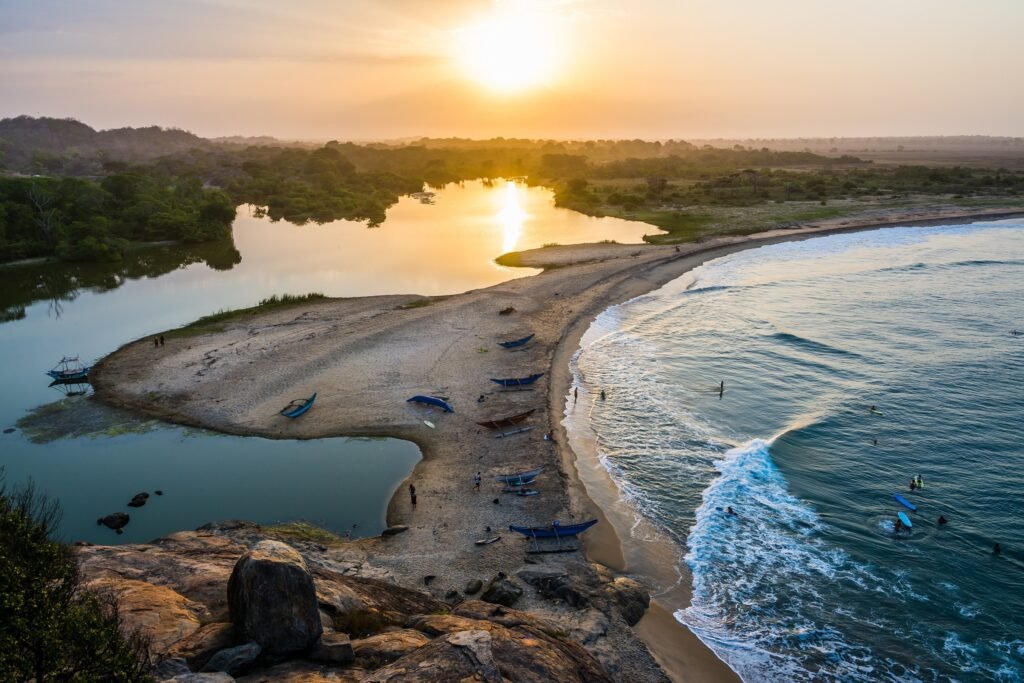
Arugam Bay is a surf destination on the east coast, celebrated by surfers worldwide for its world-class point breaks and long, rolling waves. Beyond the surf, this laid-back village is surrounded by shallow lagoons rich in birdlife, elephant corridors, and a string of beautiful beach escapes extending north and south. Its unhurried bohemian atmosphere makes it one of the island’s most characterful coastal communities.
- Bentota
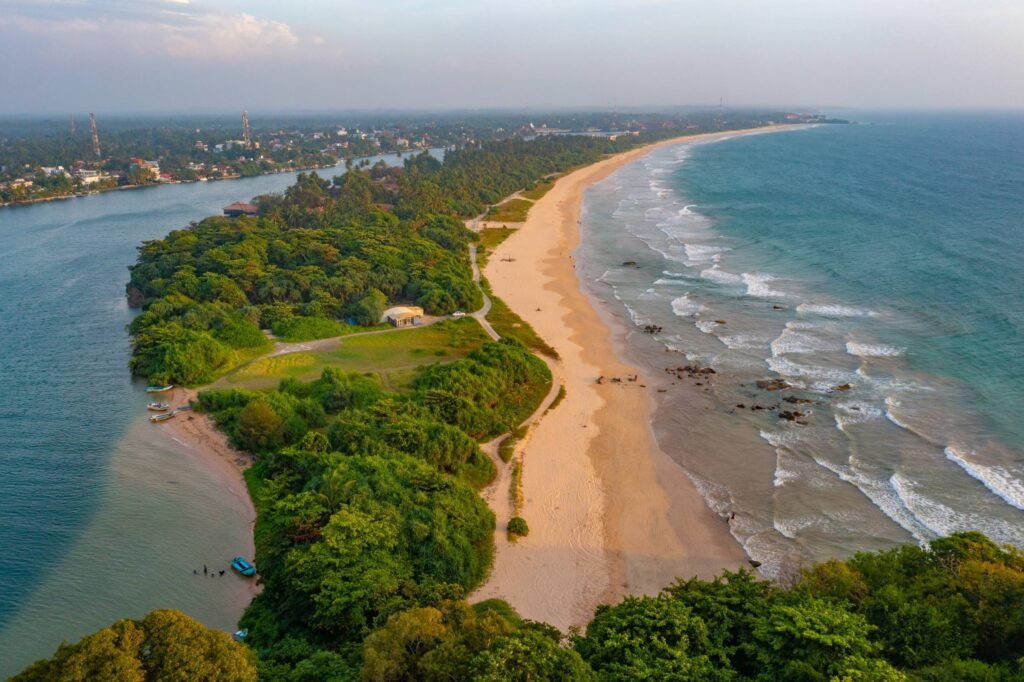
Bentota is Sri Lanka’s premier beach resort town, positioned at the mouth of the Bentota River where golden sands meet calm turquoise waters. Renowned for water sports, luxury spa retreats, and tranquil river safaris through mangrove forests, it offers a sophisticated coastal escape ideally suited to honeymooners and relaxation seekers. Its sheltered lagoon is one of the finest on the island for sailing, windsurfing, and jet skiing.
- Anuradhapura
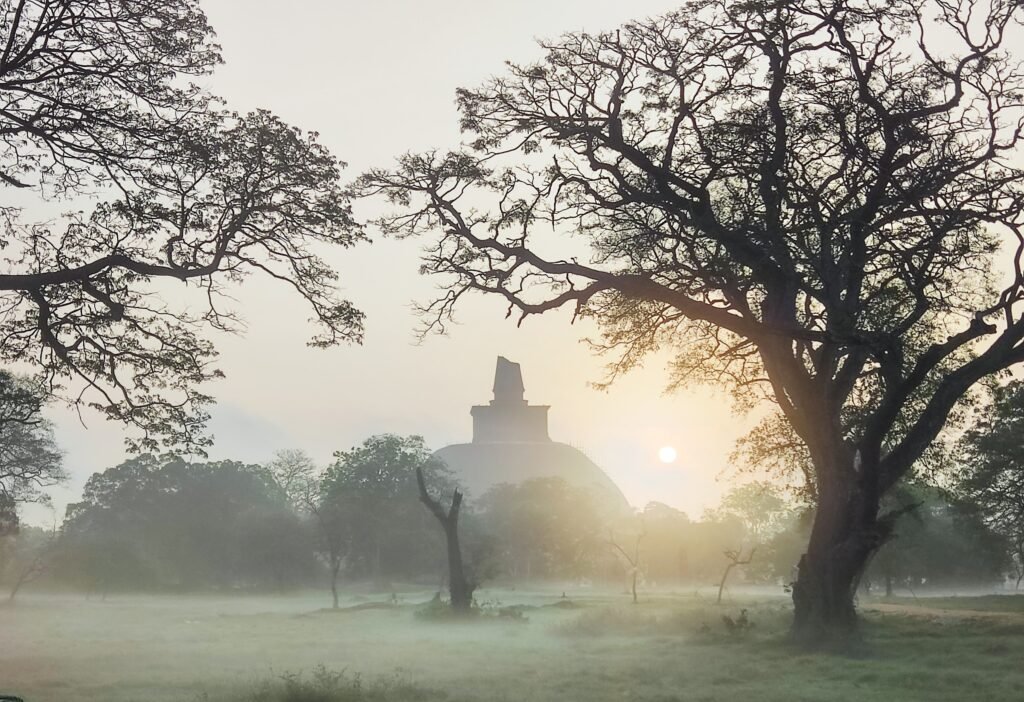
Anuradhapura is one of the ancient world’s great cities, a Sri Lankan capital that flourished for over 1,300 years and left behind a landscape filled with colossal dagobas, sacred Bodhi trees, royal pleasure gardens, and monastic complexes of extraordinary scale. The sacred Sri Maha Bodhi is the world’s oldest living tree with a documented history, and remains a revered site of pilgrimage. Anuradhapura is both a UNESCO World Heritage Site and a living spiritual city.
- Yapahuwa
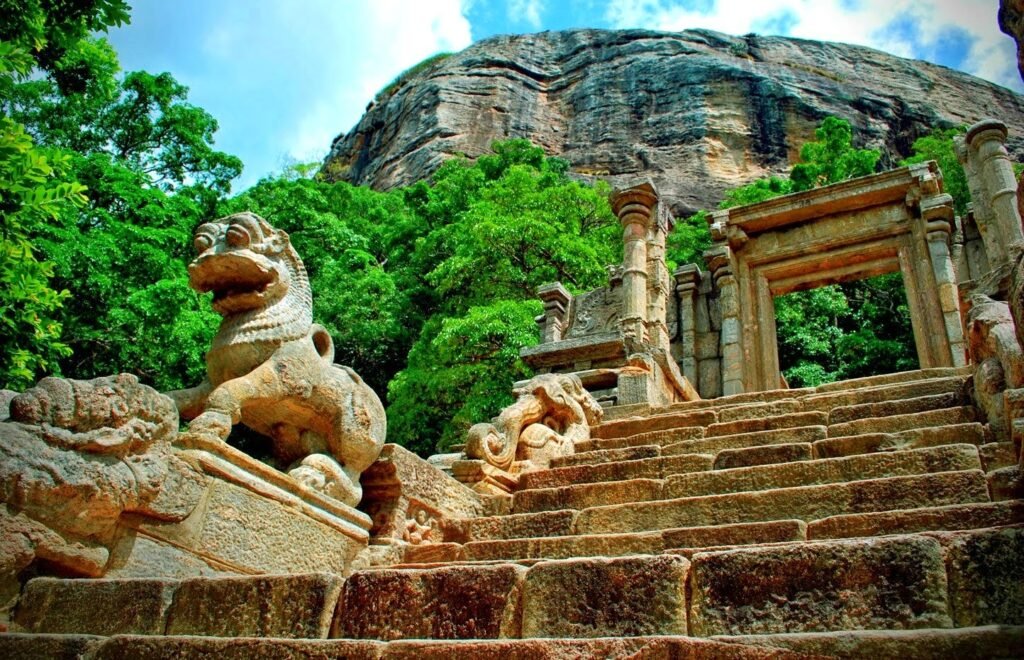
Yapahuwa is a lesser-visited but atmospheric heritage site, a short-lived 13th-century royal citadel built atop a massive granite boulder that rises from the surrounding flat plains. Its ornate carved stone stairway, one of medieval Sri Lanka’s finest examples of stonework, leads upward past pavilions and audience halls to commanding views across the northern plains. Yapahuwa rewards curious travellers who seek depth and solitude alongside their heritage discoveries.
- Dambulla Cave Temple
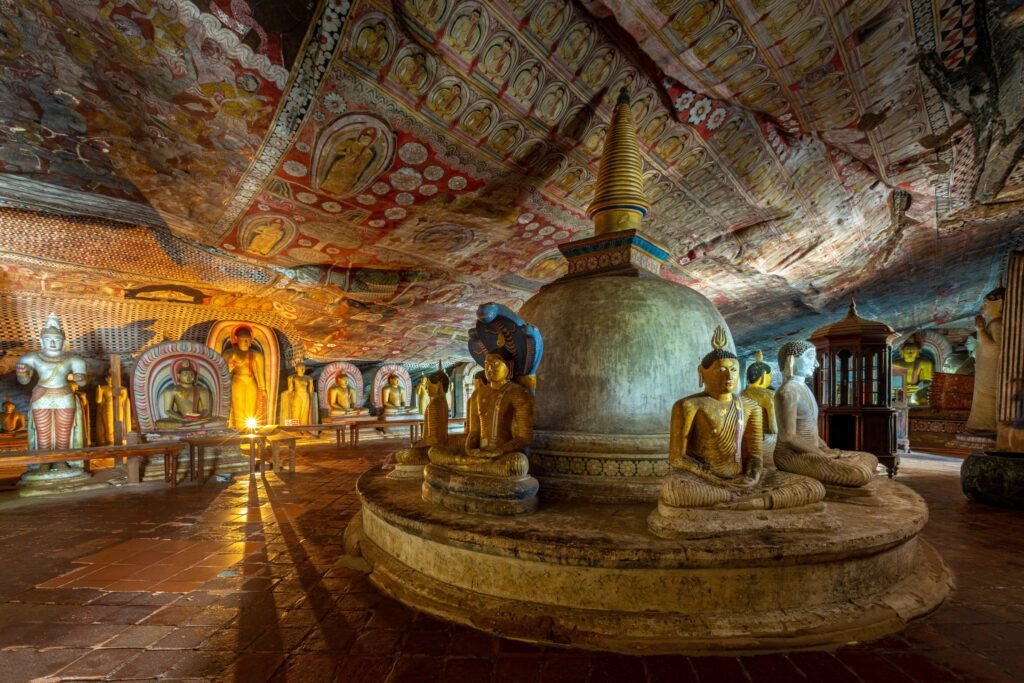
The Dambulla Cave Temple is Sri Lanka’s best-preserved cave temple complex, comprising five caves whose ceilings and walls are covered in Buddhist murals spanning fifteen centuries of artistic tradition. Over 150 Buddha statues fill the cave interiors, ranging from miniature votive figures to grand reclining Buddhas carved from the living rock. Perched on a granite outcrop with views over the plains below, Dambulla is an active place of pilgrimage and worship.
- Sigiriya
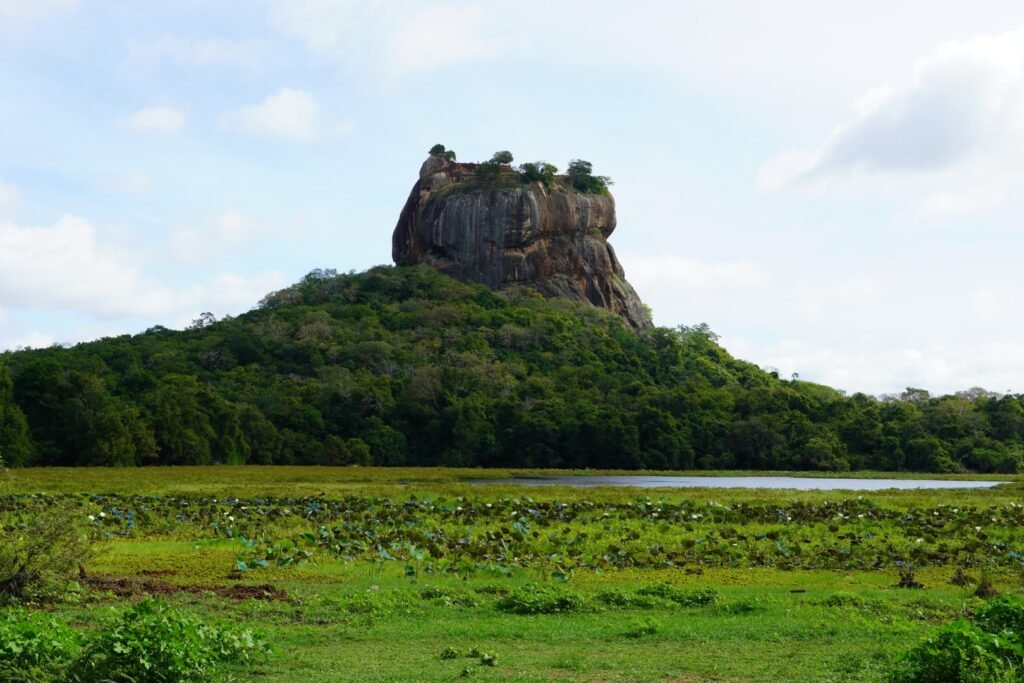
Sigiriya is one of Sri Lanka’s most iconic landmarks, a colossal granite monolith rising 200 metres above the surrounding jungle, crowned by the ruins of a 5th-century royal palace fortress. The climb to the summit passes cloud maidens frescoes sheltered within rock alcoves and a gateway flanked by lion paws, before revealing panoramic views across the Cultural Triangle. Listed as a UNESCO World Heritage Site, Sigiriya is a centrepiece of any Sri Lankan journey.
- Polonnaruwa
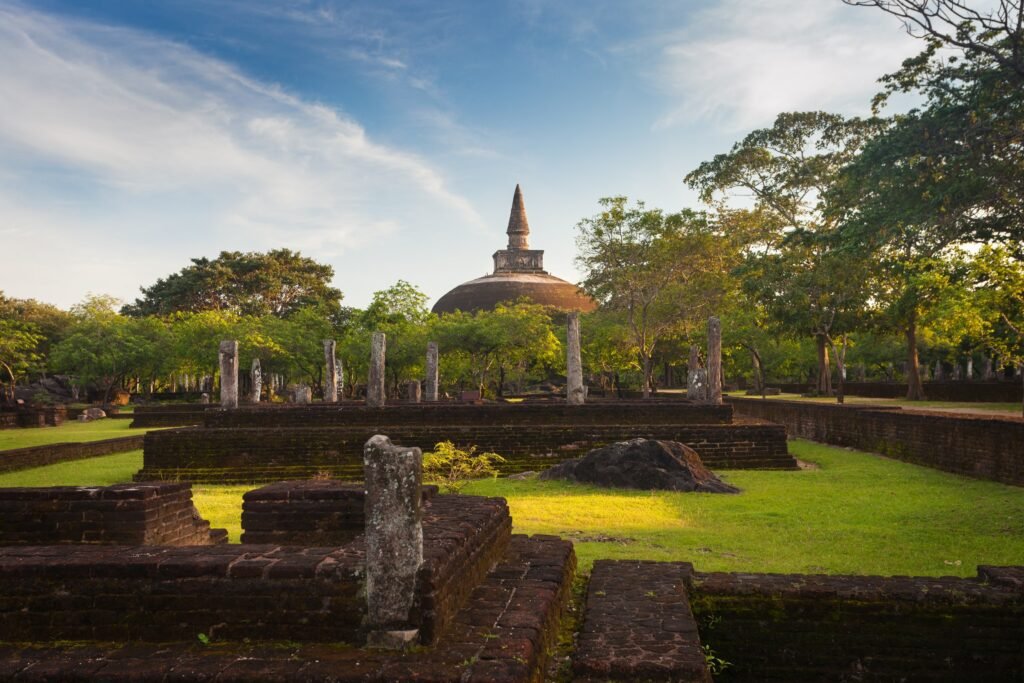
Polonnaruwa was Sri Lanka’s medieval capital from the 11th to the 13th century, and its well-preserved ruins rank among the finest examples of ancient urban planning and religious architecture in all of Asia. The royal palace complex, moonstone-adorned entranceways and towering Buddha statues at the Gal Vihara remain evocative, while the city’s ancient irrigation network continues to sustain agriculture in the surrounding region today.
- Knuckles Mountain Range
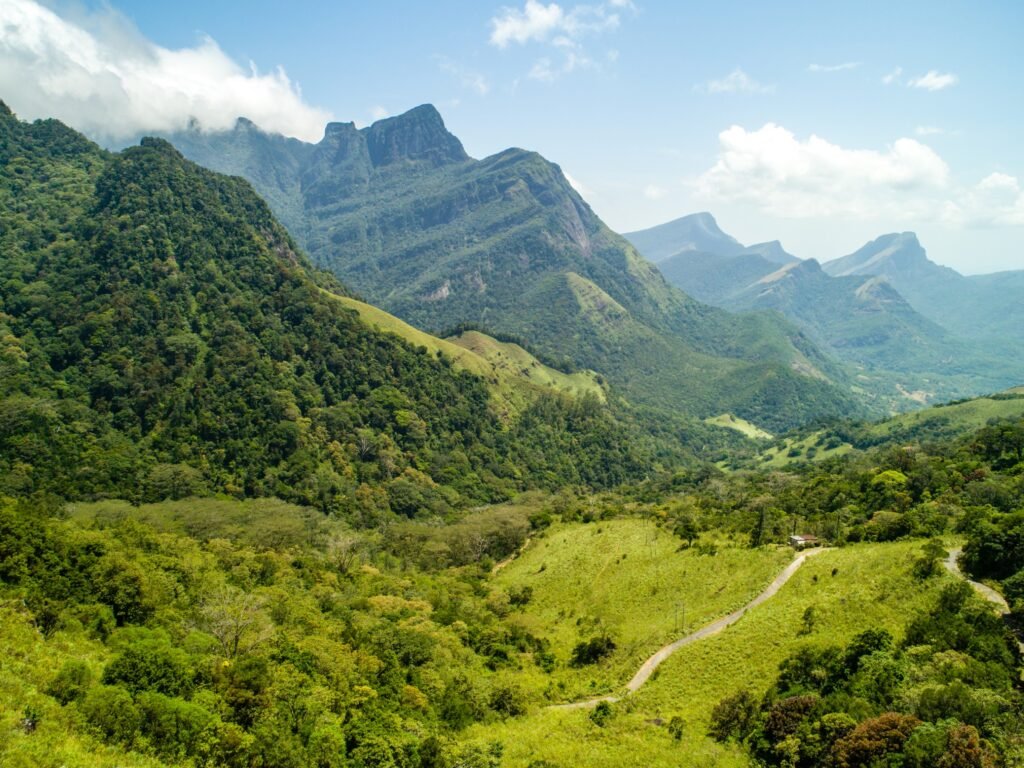
The Knuckles Mountain Range, named for its peaks’ resemblance to a clenched fist’s knuckles, is one of Sri Lanka’s most extraordinary natural landscapes, a UNESCO World Heritage wilderness of jagged peaks, cloud forests, cascading waterfalls, and highland villages barely touched by modern tourism. Its network of trekking trails winds through ecosystems of exceptional biodiversity, home to endemic birds, leopards, and rare flora found only in these highlands.
- Nuwara Eliya
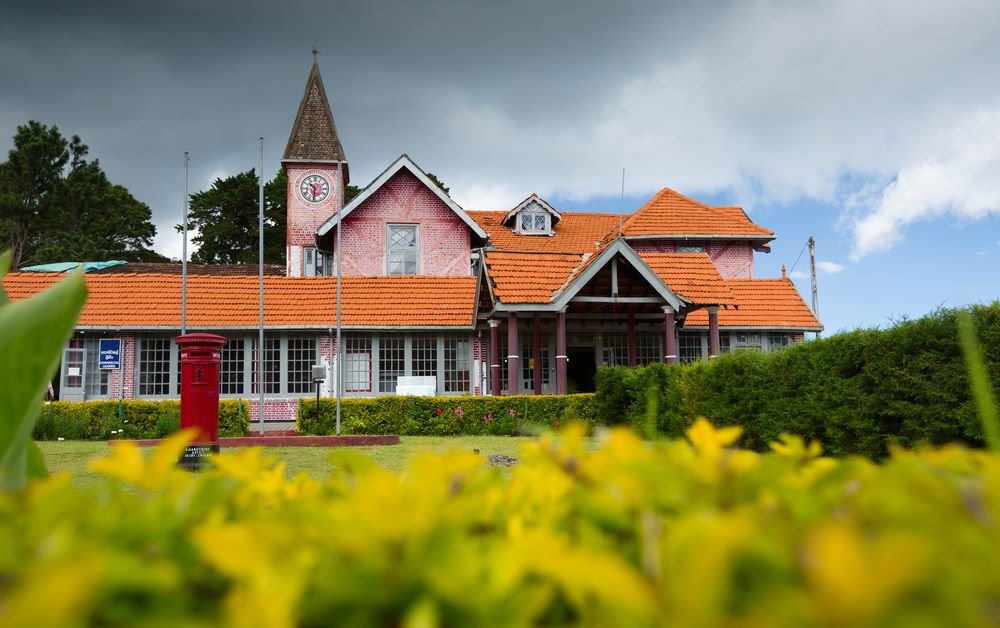
Nuwara Eliya is Sri Lanka’s iconic hill-country town, a colonial-era retreat known as “Little England” for its Tudor-style architecture, manicured gardens, racecourse and cool mountain climate that feels entirely removed from the tropical lowlands. Surrounded by tea estates, the town’s Gregory Lake, Victorian post office, and heritage hotels, along with Victoria Park’s flower-lined walks and lively April season, create an atmosphere unlike anywhere else on the island.
- Horton Plains
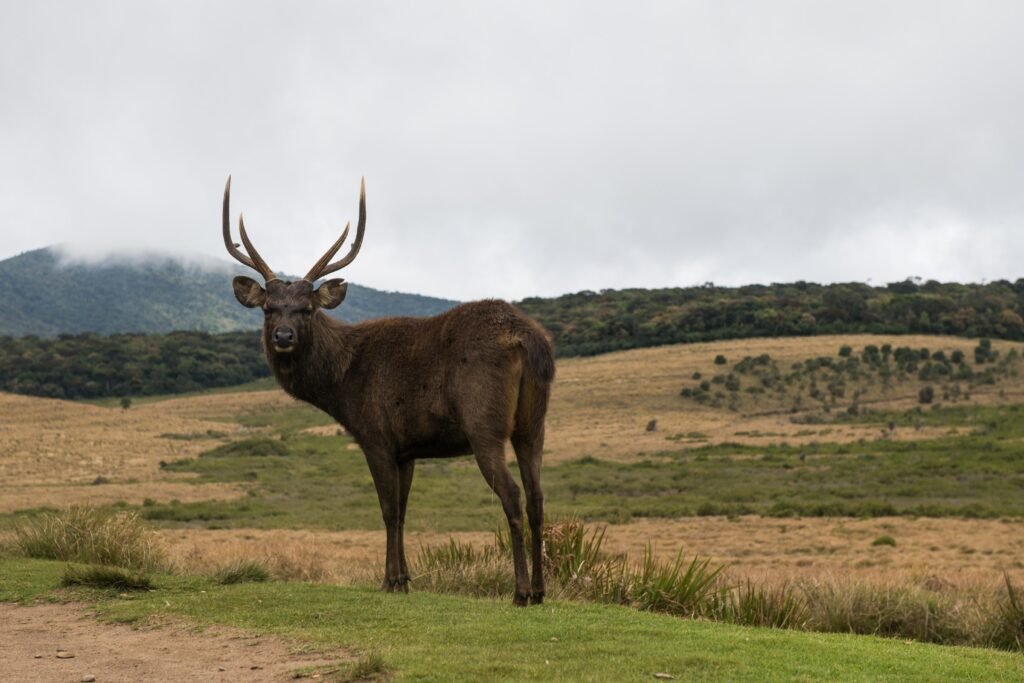
Horton Plains National Park is Sri Lanka’s most dramatic highland wilderness, a broad, windswept plateau covered in montane grasslands, cloud forest, and rare endemic vegetation found nowhere else on earth. Sambar deer, leopards, and colourful endemic birds also roam here. The park’s defining attraction is World’s End, a sheer escarpment plunging nearly a kilometre to the plains below, best experienced in the early morning before clouds gather around the cliff edge.
- Haputale
Haputale is a ridge-top town of natural drama, sitting on a narrow mountain crest where one side falls away to the southern plains and the other descends into the Uva Valley, offering two entirely different views from the same road, with the iconic Lipton’s Seat viewpoint and cool climate nearby. Less visited than Ella and Nuwara Eliya, Haputale retains a quiet, unhurried character that appeals to travellers seeking authentic highland life away from tourist trails.
- Ella
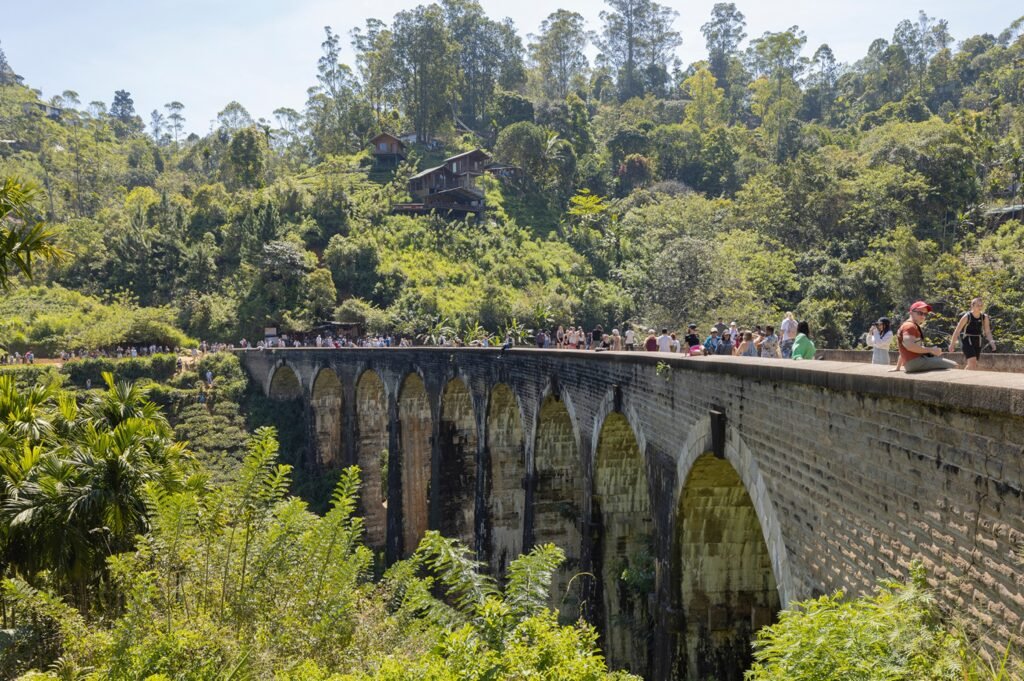
Ella is the jewel of Sri Lanka’s hill country, a small, spectacularly situated mountain village perched on the edge of the highlands, where the land drops away to the southern plains and every view deserves a photograph. The Nine Arch Bridge, Little Adam’s Peak, and Ella Rock are the village’s signature landmarks, while its growing collection of boutique cafes, nature lodges and wellness retreats makes it one of the island’s most beloved overnight destinations.
- Sinharaja Rainforest
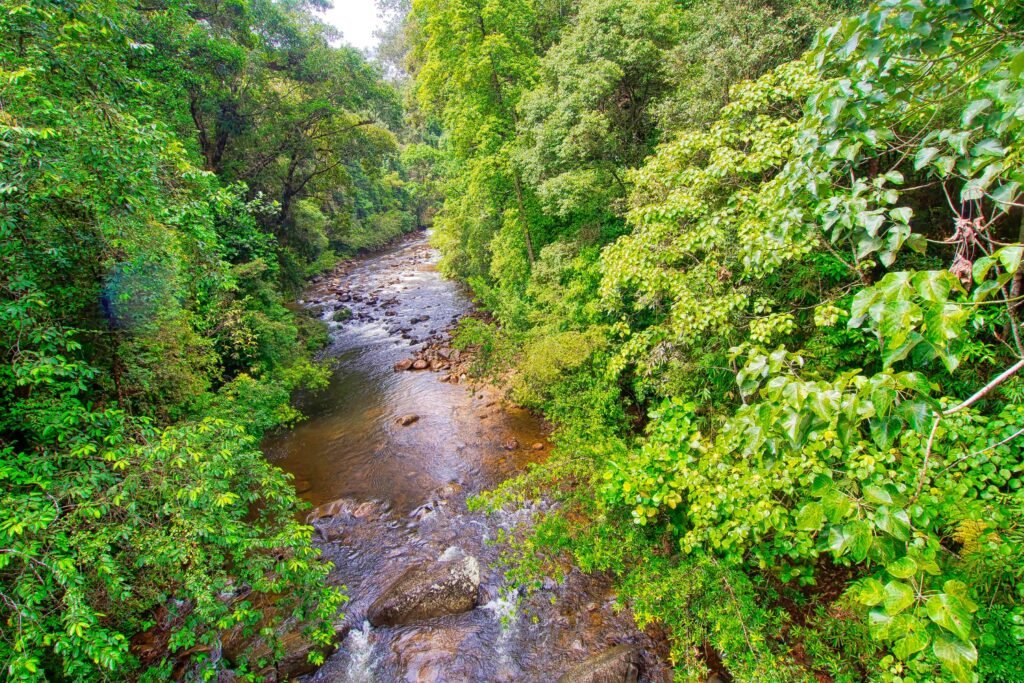
Sinharaja is designated as both a UNESCO World Heritage Site and a Biosphere Reserve. Its dense interior shelters endemic wildlife, including over 50% of Sri Lanka’s endemic bird species, making it one of Asia’s premier birdwatching destinations, as well as rare amphibians, reptiles, purple-faced langurs and leopards. A guided walk through Sinharaja forest, alive with the calls of endemic birds and the sounds of the jungle, is one of Sri Lanka’s most extraordinary natural experiences.
- Yala National Park
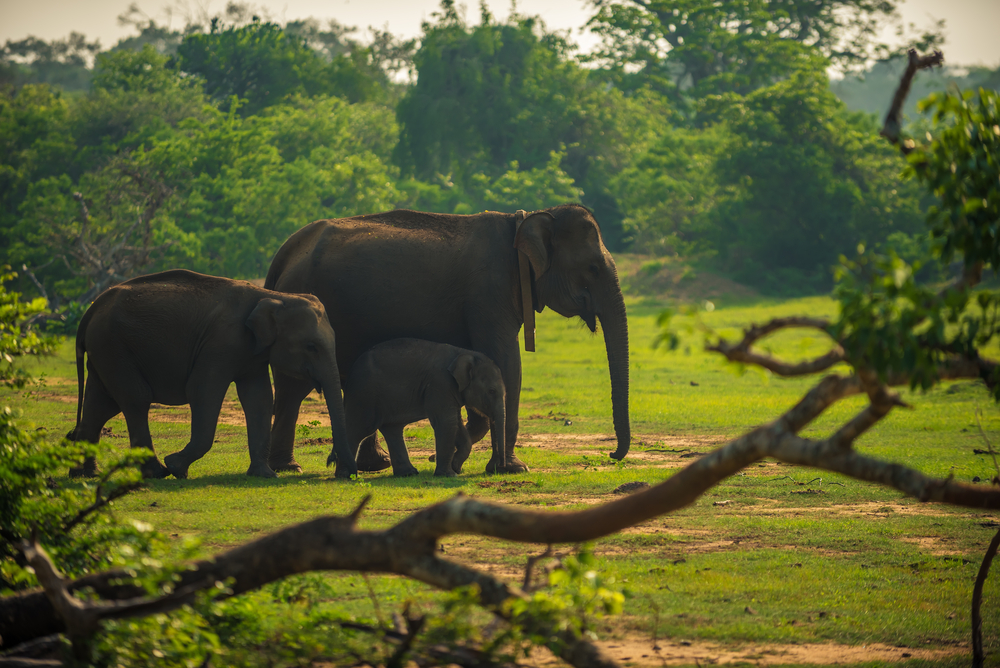
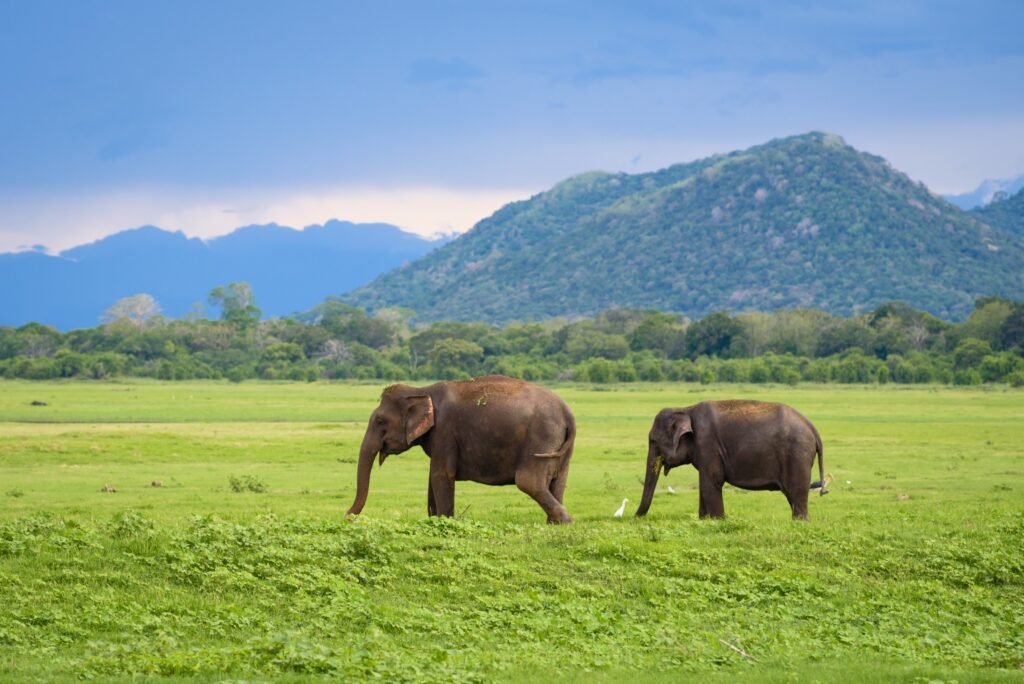
Yala National Park is one of the best places to observe wild leopards in their natural habitat. Block 1, the most accessible section of the park, encompasses a varied landscape of open scrub jungle, coastal lagoons, rock outcrops and freshwater pools that support wildlife, including elephants, sloth bears, crocodiles and over 200 bird species. A Yala safari is considered an essential Sri Lanka experience, with early-morning game drives offering the best chance of leopard encounters.
- Minneriya
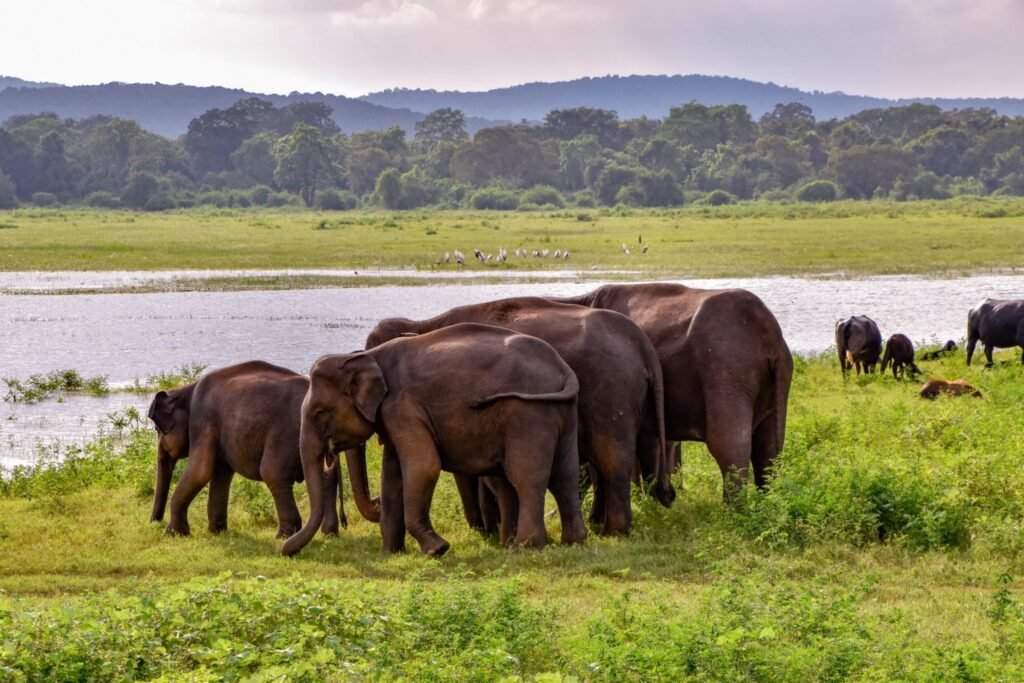
Minneriya National Park is famous for hosting one of nature’s most spectacular wildlife events, “The Gathering”, an annual congregation of wild elephants around the ancient Minneriya reservoir as water levels recede during the dry season between July and October. The park’s open, grassy tank margins offer exceptional wildlife viewing conditions, and sightings of large elephant herds moving across open ground at dusk are among the most memorable safari moments in Asia.
- Udawalawe
Udawalawe National Park is Sri Lanka’s most reliably productive elephant-watching destination, home to several hundred wild elephants that roam the park’s open grasslands and reservoir shores in large, easily observed herds. The park also hosts the well-known Elephant Transit Home nearby. Unlike other parks where elephant sightings can be seasonal, Udawalawe offers outstanding elephant encounters year-round, making it one of the most dependable safari experiences.
- Wilpattu
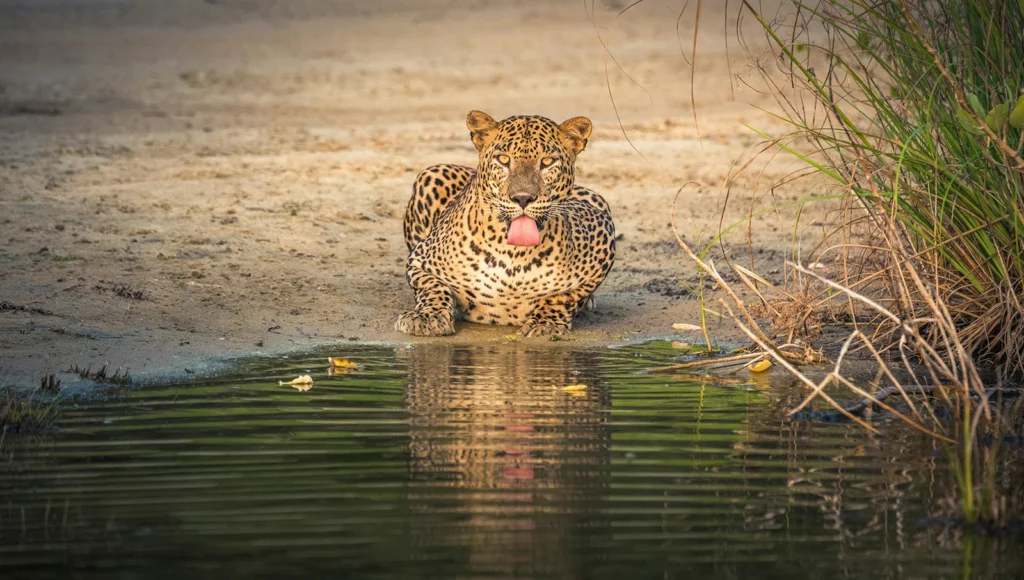
Wilpattu is Sri Lanka’s largest national park and one of its most hauntingly beautiful, a wilderness of natural lake basins known as villus, dry deciduous forest, and open plains that create one of the finest leopard habitats on the island, near where the legend of Prince Vijaya first set foot long ago. Its remoteness and low visitor numbers mean that Wilpattu offers a wild safari experience, where encounters with leopards, sloth bears, elephants and crocodiles feel unhurried and undisturbed.
- Jaffna
Jaffna is the cultural and spiritual capital of Sri Lanka’s Tamil community, a city of remarkable Hindu temples, colonial Dutch fortifications, and a deeply rooted cultural identity shaped by centuries of distinct heritage. The Nallur Kandaswamy Kovil, one of the most important Hindu temples in South Asia, is the spiritual centrepiece of the city, while Jaffna’s network of islands, lagoons, and ancient sites offers a travel experience entirely unlike anywhere else in Sri Lanka.
- Kataragama
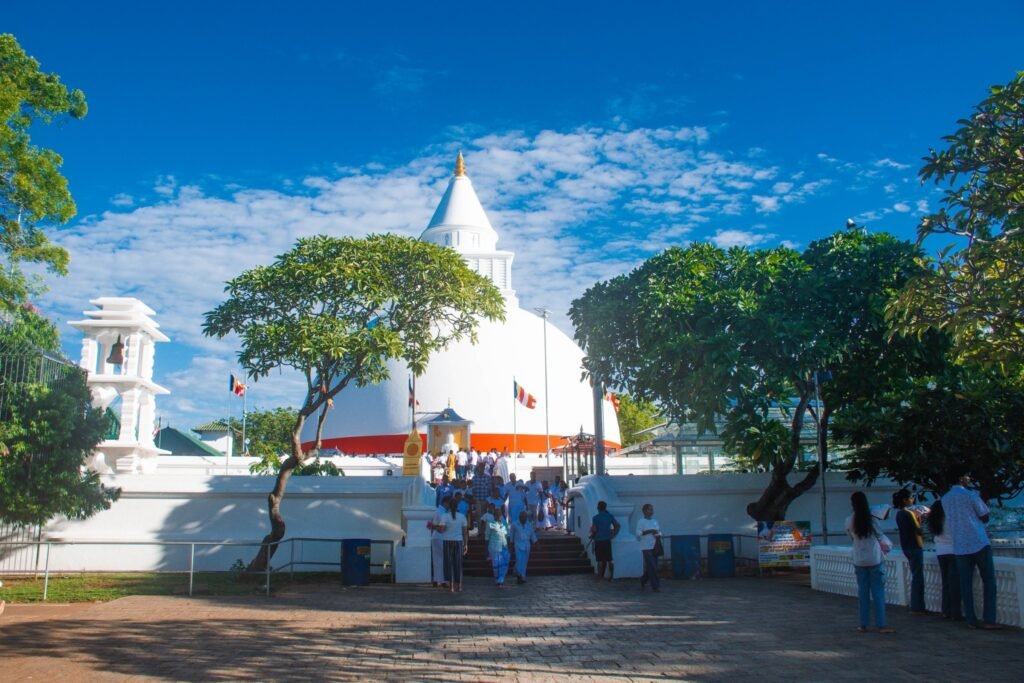
Kataragama is a place where Buddhist, Hindu, Muslim, and indigenous Vedda spiritual traditions converge around a shared belief in the divine power of the deity Kataragama, known to Hindus as Murugan and to Buddhists as Skanda. The pilgrimage precinct, set within a forested sanctuary beside the Menik Ganga river, is filled with devotees year-round, and its rituals, including fire-walking and kavadi processions, are among the most intense and spiritually charged in Sri Lanka.
- Koneswaram Temple, Trincomalee
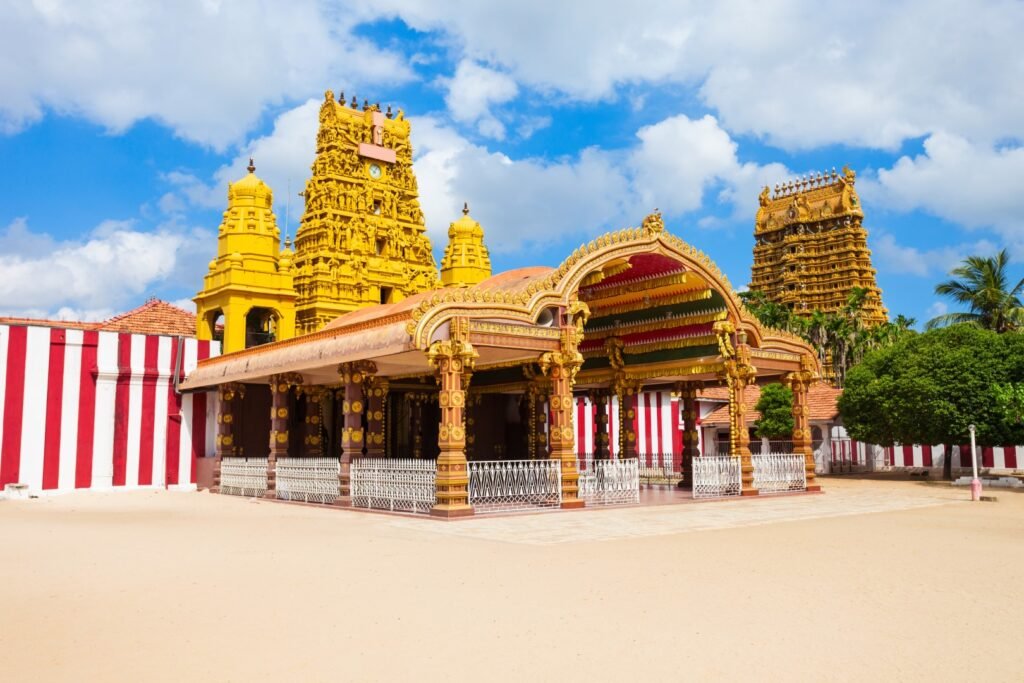
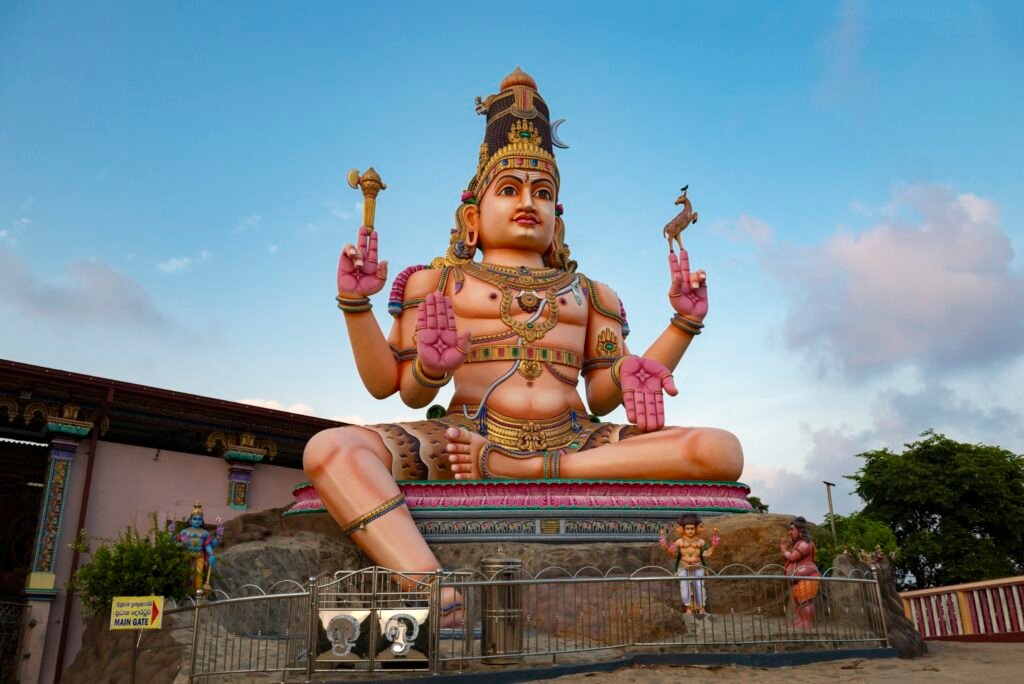
The Koneswaram Temple is one of Sri Lanka’s Pancha Ishwarams, the five most sacred Hindu shrines, and one of the most dramatically positioned places of worship on the island, perched on Swami Rock, a sheer cliff rising 130 metres above the deep blue waters of Trincomalee Bay. The temple’s vivid gopuram towers, adorned with intricate sculptural detail, contrast with the ocean backdrop, and the views from the clifftop are among the most breathtaking in all of Sri Lanka.
- Adam’s Peak
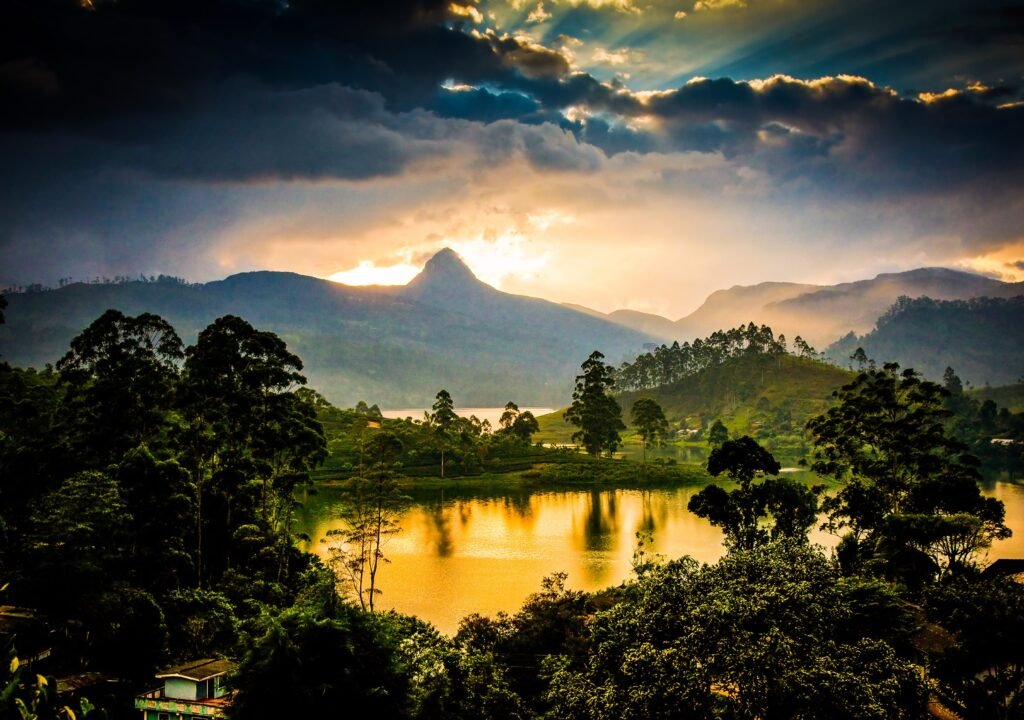
Adam’s Peak is a conical mountain of spiritual significance, venerated by Buddhists, Hindus, Muslims and Christians alike as the site of the sacred footprints of the Buddha, Shiva, Adam or St Thomas, respectively. The pilgrimage, undertaken during the pilgrimage season from December to May, climbs to the 2,243-metre summit and is one of Sri Lanka’s most moving experiences: a long procession of lit lanterns winding upward through the darkness to witness sunrise from the peak.
- Temple of the Tooth, Kandy
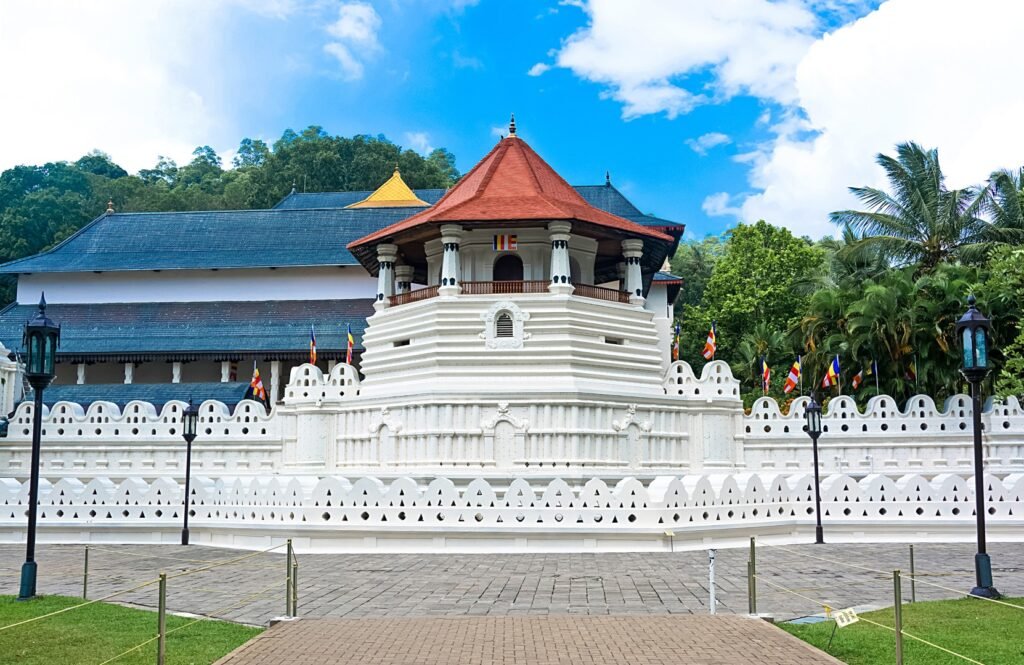
The Temple of the Sacred Tooth Relic is Sri Lanka’s most sacred Buddhist site and host to the world-renowned annual Esala Perahera procession, enshrining the Buddha’s tooth, a symbol of divinity and national identity revered by Buddhists worldwide. Set beside Kandy Lake within a complex of golden-roofed pavilions and audience halls, the temple is at its most atmospheric during the evening puja ceremony, when drummers and musicians fill the air with ancient ritual sound.